Move Without Leaving Your Seat

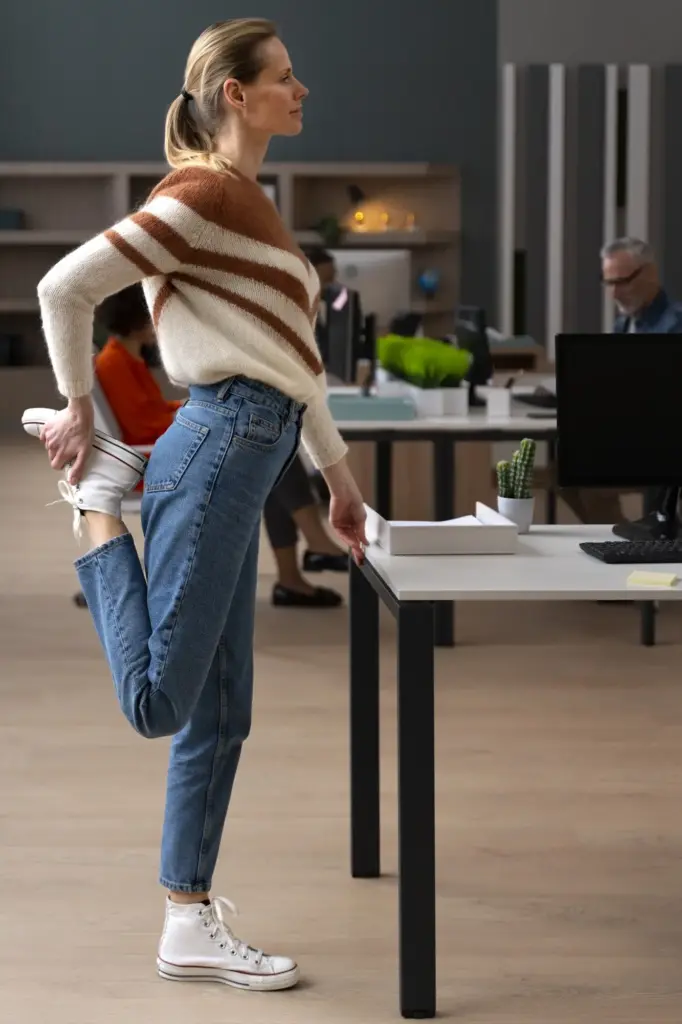
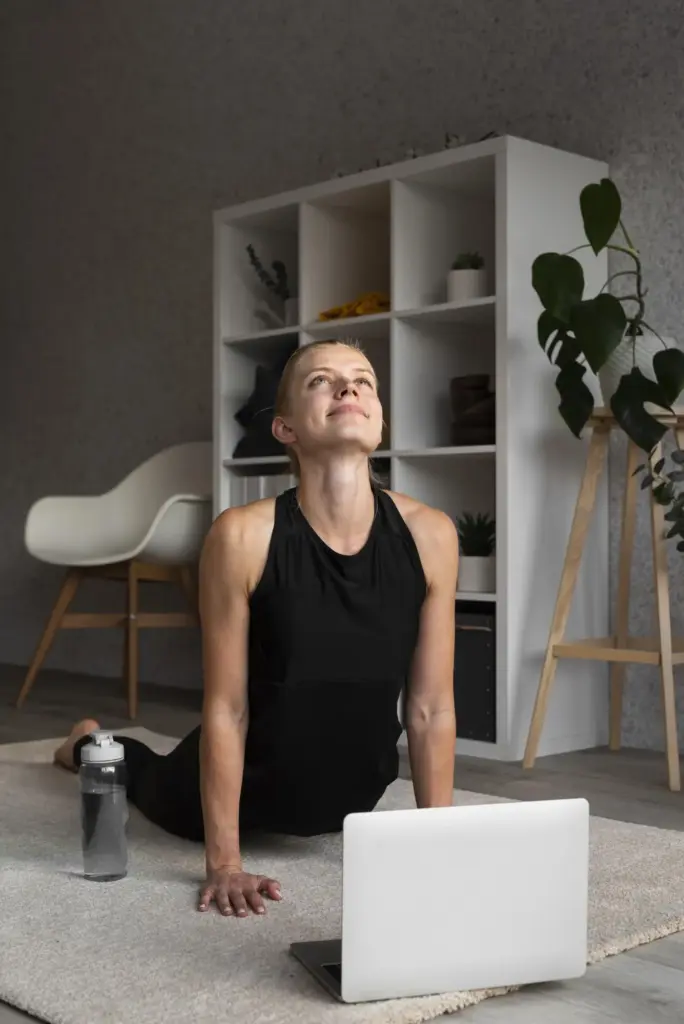
Today we explore in-seat stretch routines for flights and daily commutes, transforming cramped minutes into restoring movement without bothering neighbors or unbuckling. You will learn discreet sequences that improve circulation, soften stiffness, sharpen focus, and calm travel nerves, even when space is tight and time feels rushed. Expect practical cues, safety notes, and options for different seats and schedules. Try one routine on your next leg or ride, then share how it felt and which seat you chose, so our traveling community grows stronger, looser, and more energized together.

Why Small Movements Matter at 30,000 Feet and 30 Minutes from Home
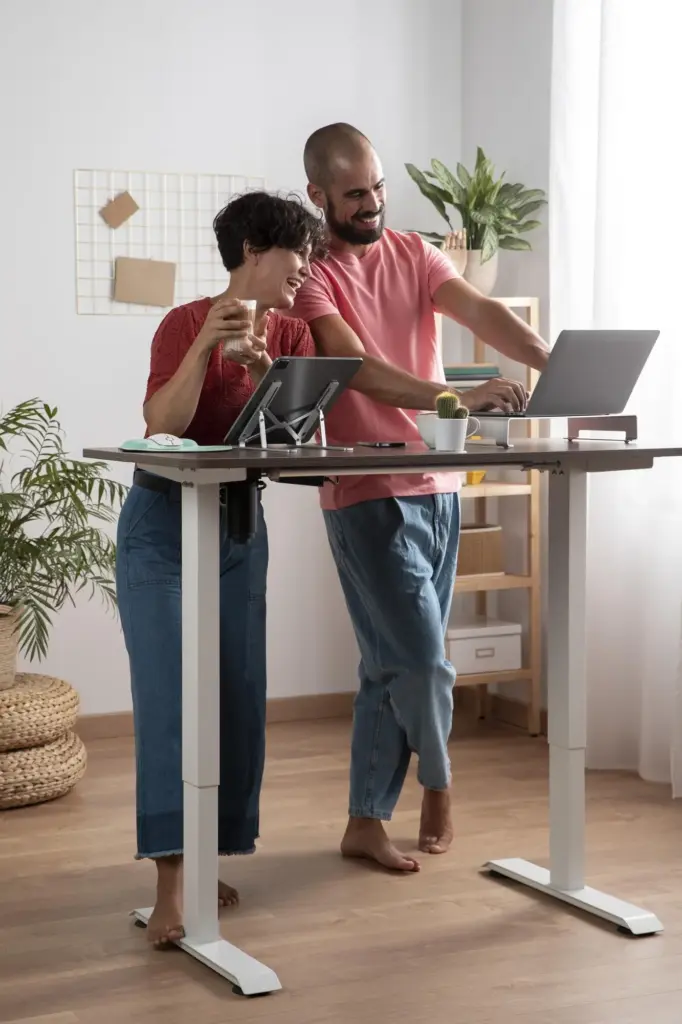
Long periods of sitting slow blood flow, tighten hips and shoulders, and leave the spine hungry for gentle rhythm and varied pressure. Small, steady motions performed right in your seat stimulate circulation, bathe joints in nourishing fluid, and wake quiet postural muscles without inviting stares. Even sixty focused seconds can reframe comfort, reduce fidgeting, and support alertness for reading, working, daydreaming, or simply watching clouds slide by. These ideas stay respectful of seatmates, belts, vehicle rules, and safety while giving your body the kind attention it quietly keeps requesting.

Minute One: Ankles, Calves, Toes

Pump each ankle ten times, then draw ten slow circles inward and ten outward, breathing steadily through the nose. Alternate feet like gentle windshield wipers, letting calves activate and release. Spread your toes inside your shoes, then curl softly, avoiding cramps. Finish with heel digs into the floor, lightly isometric, as if pressing footprints into sand. This primes blood flow, curbs tingling, and prepares knees and hips to cooperate, all while your posture remains quiet, relaxed, and considerate of everyone nearby.

Minute Two: Hips, Spine, Shoulders
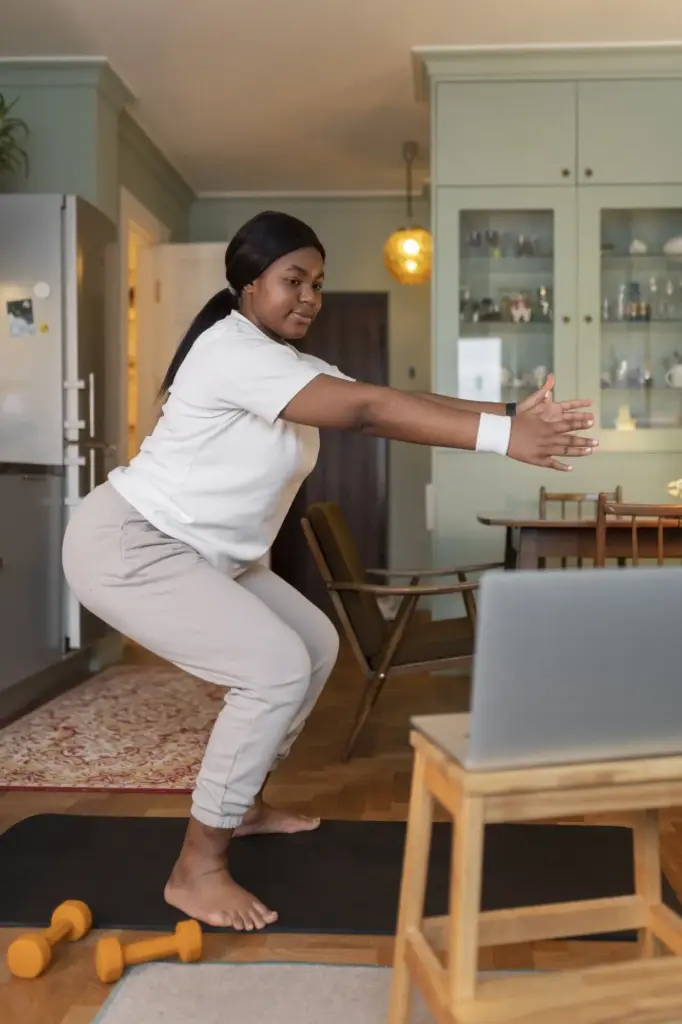
Cross one ankle over the opposite shin for a compact hip opener, staying respectful of space. Breathe in to lengthen, breathe out to soften. Switch sides, then glide your pelvis through tiny tilts, letting the lower back unwind. Draw shoulder blades gently toward each other, pause, and release, like closing and opening curtains along your upper back. Finish with a subtle chin glide and two slow neck arcs. Everything is small, smooth, and soothing, restoring easy posture without announcing that you are exercising.

Commute Variations for Buses, Trains, and Rideshares

Different vehicles shape how you move: firm bus seats, cushioned train benches, rideshare headrests, and varying legroom change leverage and comfort. Adapt sequences by adjusting foot placement, sit-bone pressure, and hand contact points while keeping movements gracefully small. Use stops, stations, or traffic lights as timing cues, and always prioritize safety and courtesy. When turns or braking occur, pause and breathe rather than force range. With a little creativity, every commute becomes practice for smoother hips, freer shoulders, and a calmer, clearer mind.

Ergonomics: Make Your Seat Work for You

Comfort multiplies when the seat supports your posture. Use simple adjustments to align hips, ribs, and head so mobility drills land effectively. A rolled jacket can become lumbar support, a backpack can raise foot height, and armrests can stabilize shoulders for cleaner breathing. Keep belts snug enough for safety yet comfortable across the pelvis, not the stomach. Angle screens and books to spare the neck. These small calibrations transform tight quarters into a workable studio, letting each discreet movement deliver outsized relief and clarity.

DIY Lumbar and Hip Support with What You Packed

Roll a sweater into a soft cylinder and tuck it at the beltline to meet your lumbar curve without pushing ribs upward. If the seat pan slopes, slide your backpack under your feet to balance hip angle and calm hamstrings. Keep knees hip-width so femurs point forward, not collapsing inward. These tiny changes rebalance pressure through sit bones, reduce tailbone sensitivity, and create a kinder foundation for every in-seat stretch, especially long-haul flights or crosstown rides that would otherwise leave the lower back grumbling the whole way.

Armrests, Trays, and Belts: Friend, Not Foe

Treat hardware as helpful anchors rather than obstacles. Use armrests to support elbows so shoulders un-hike and the neck stops straining. Let the tray table, when down, hold forearms at a comfortable angle to spare wrists while reading or typing. Keep the belt low across the pelvis to stabilize without compressing the abdomen, allowing calmer, deeper breaths. Leveraging these contact points builds steadier posture, enabling subtle mobility work to succeed. Your movements become smoother, smaller, safer, and far more effective in real travel conditions.

Screen and Page Setup That Saves Your Neck

Hold your phone higher or prop it on a folded jacket so your gaze meets it without craning. Rest elbows lightly on armrests to reduce forearm fatigue, and keep wrists in a soft, neutral line. For books, angle the pages toward your eyes rather than bending your head toward the words. Every inch of elevation reduces cervical strain and jaw tension, making neck glides, shoulder rolls, and calming breaths more potent. The result is clearer focus, fewer headaches, and a posture that holds itself with less effort.

Mind-Body Calm for Confined Spaces

Mobility pairs beautifully with nervous-system steadiness. Slow nasal breathing, softened gaze, and relaxed tongue posture signal safety from the inside out, easing jitters from turbulence, traffic, or crowded cabins. Gentle movement becomes meditation when matched with patient exhales and kind self-talk. Use landmarks or announcements to cue mini-check-ins, then return to stillness quietly. These simple rituals lower perceived stress, invite better digestion during snacks, and turn cramped environments into training grounds for grace under pressure, bringing a surprising sense of agency to every mile.

Box Breathing When the Ride Gets Bumpy

Inhale through the nose for four counts, hold for four, exhale for four, hold for four, tracing an imaginary square on your thigh with a fingertip. Keep shoulders heavy, jaw ungripped, and lips gently sealed. After several rounds, lengthen the exhale to six to deepen calm. Pair this with tiny shoulder rolls or pelvic tilts to synchronize body and breath. The square becomes an anchor during turbulence or stop-and-go traffic, restoring steadiness and patience without drawing attention from anyone sitting nearby.

Progressive Unclench You Can Do Fully Clothed

Scan from toes to scalp and softly contract each area for a few seconds, then release longer than you held. Toes curl and spread, calves hug the bones then melt, thighs press outward against invisible hands, glutes whisper on and off, belly balloons and settles. Fingers gently fist, then bloom; shoulders gather, then slide down. Finish by smoothing the brow with breath. This sequence teaches your body the feeling of letting go, so seats feel kinder and time passes with easier comfort.

Micro-Mindfulness: Landmarks, Lights, and Gratitude
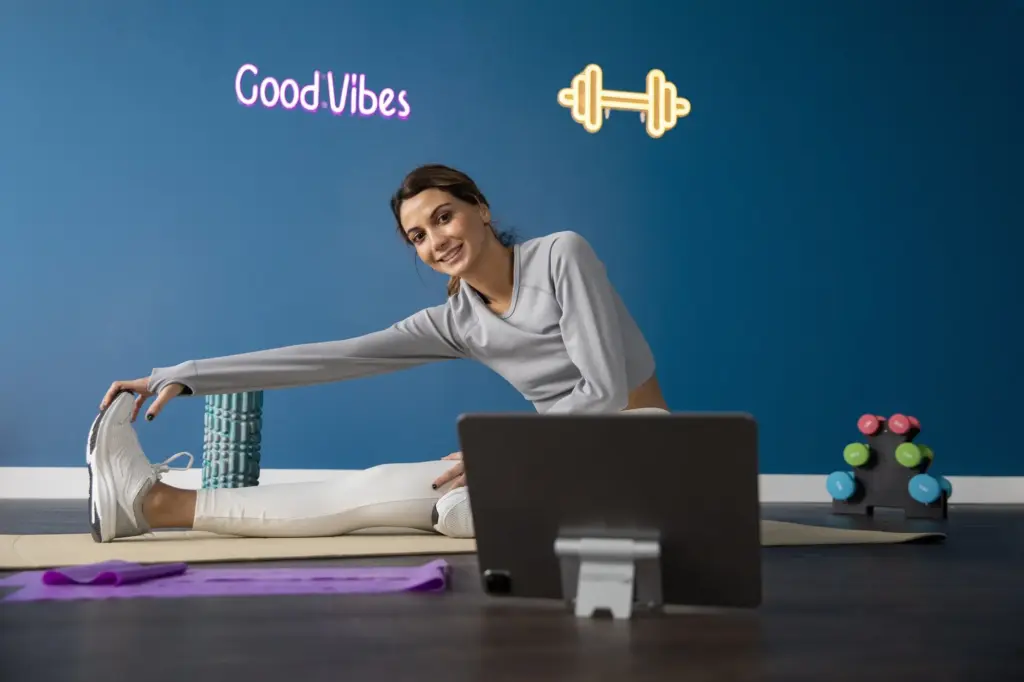
Choose three repeating cues—station names, seatbelt signs, or gentle turns—as reminders to notice one enjoyable detail and name one small gratitude. Pair each with a calm breath and a miniature neck glide or ankle pump. This pairs awareness with movement, brightening mood without demanding extra time. Over a week of commuting or a multi-leg trip, these micro-moments accumulate into steadier nerves, lighter shoulders, and friendlier interactions with fellow passengers, proving that peace can be practiced anywhere, even while buckled and barely moving.

Consistency Plan: Two Minutes That Travel Everywhere

Tiny habits beat heroic plans you never start. Anchor your routine to existing cues—boarding calls, door chimes, seatbelt clicks, or the first page turn—so practice just happens. Rotate focus daily to keep it fresh: lower legs one ride, hips and spine next, shoulders and breath after. Track wins in a notes app, and invite accountability by texting a friend your favorite move. Share your experience with our community so others learn what worked in your seat, on your route, and during your longest travel day.
Kavipalotari
Privacy Overview

This website uses cookies so that we can provide you with the best user experience possible. Cookie information is stored in your browser and performs functions such as recognising you when you return to our website and helping our team to understand which sections of the website you find most interesting and useful.