Breathe, Stretch, and Stay Sharp on Every Call
Science Behind Micro-Refreshers at Your Desk
Calm the Nervous System in Under Two Minutes
Unstick Hips Without Leaving the Frame
Reclaim Focus When Screens Multiply
Set Up Your Space for Effortless, Camera-Friendly Movement
Chair, Feet, and Posture That Work With You
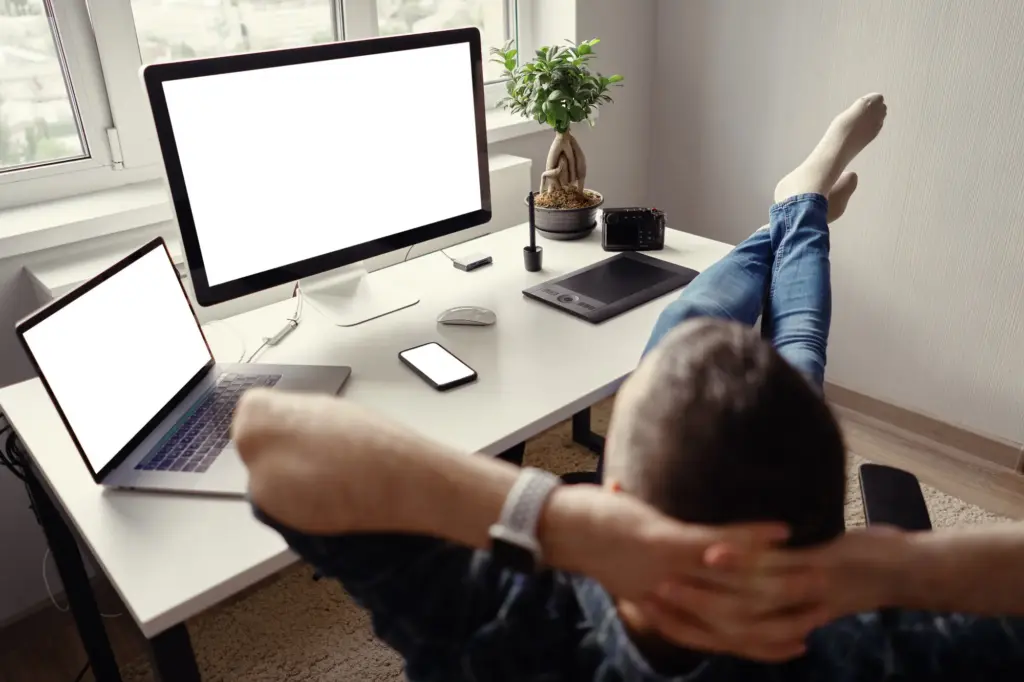
Choose a firm seat that doesn’t swallow your pelvis. Slide slightly forward to free the hips, plant feet hip-width apart, and spread toes in your shoes to awaken support. Lengthen through the crown as if suspended by a thread, then soften ribs to avoid rigidity. This balanced, buoyant posture makes every miniature movement more effective and less visible to others on screen.
Camera Angles That Keep It Professional
Lift your camera to eye level so subtle nods, shoulder slides, and gentle side bends resemble attentive listening rather than fidgeting. Center your torso, leave headroom, and avoid extreme close-ups that magnify small motions. With a thoughtful frame, your micro-practice reads as calm presence. You’ll feel freer to breathe, decompress joints, and still project credibility, clarity, and unwavering engagement.
Sound and Lighting That Support Calm Presence
Soft, even lighting reduces squinting and forehead tension, while a good microphone captures a steady, unstrained voice. Mute strategically during breathing resets to keep meetings smooth. A quiet desk fan or open window can refresh air without noise. These environmental choices ease nervous system load, making chair yoga minis more restorative, more discreet, and more sustainable across long, multi-time-zone schedules.
Minute-by-Minute Minis for Real Meeting Moments
Stories from Remote Pros Who Stretch Between Slides
A Manager Who Ended Afternoon Headaches
An Engineer Who Stopped Shoulder Numbness
Safety, Inclusivity, and Respectful Boundaries
Move Within Comfort, Modify Without Apology
If a joint protests, change the angle, range, or leverage. Swap a deep hinge for a breath-led posture reset. Support your back with a cushion, or keep both feet grounded instead of crossing. Pain is not a badge of progress. Curiosity, patience, and tiny adjustments keep tissues friendly, signaling your nervous system that these minutes are safe, useful, and genuinely restorative.
Clothing, Mobility Aids, and Different Bodies
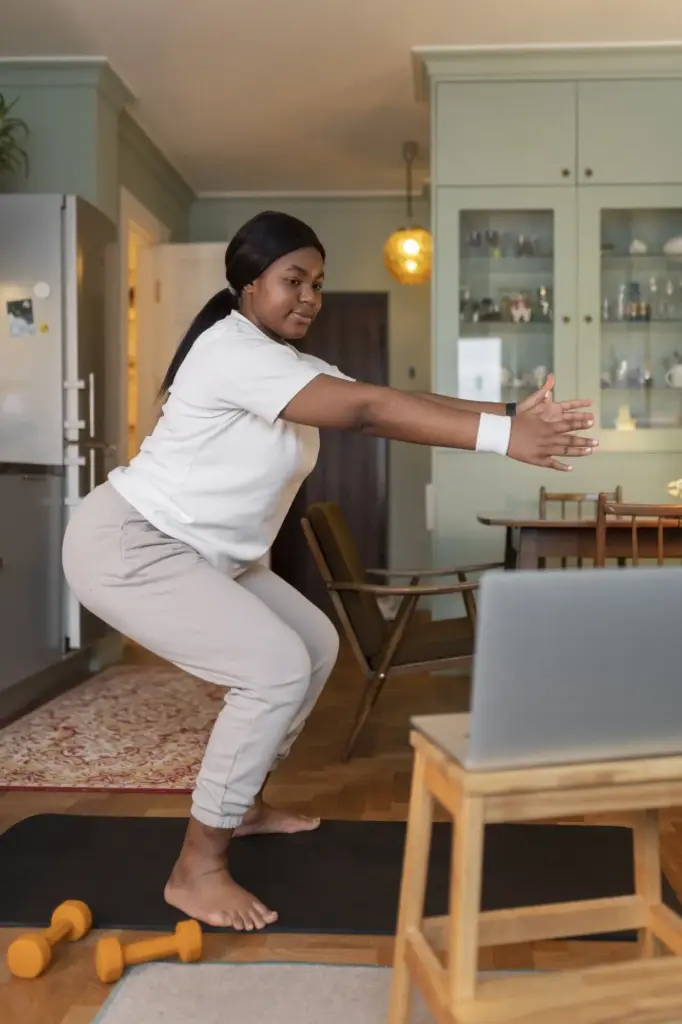
Your outfit should allow easy belly breathing and unpinched hips. Mobility aids belong proudly in your frame; integrate them into movements rather than working around them. Heavier bodies, postpartum bodies, and athletic bodies all deserve supportive options. The goal is comfort and clarity, not choreography. Celebrate methods that feel sustainable, and notice how inclusion naturally deepens team trust and shared resilience.
Team Norms: Invite, Never Instruct
Model care without prescribing it. Offer a friendly nudge—“I’m taking a sixty-second shoulder reset while we load slides”—and leave space for others to pass. Normalize micro-breaks on agendas and encourage cameras-off permission when needed. This respectful approach builds agency, reduces shame, and cultivates meetings where humans thrive, ideas flow, and results improve because people feel considered, energized, and authentically themselves.
Build the Habit and Celebrate Tiny Wins
Attach Minis to Reliable Cues on Your Calendar
Create a recurring, silent reminder two minutes before the hour: breathe out longer than you breathe in, glide your chin, soften shoulders. Use meeting section headers—updates, decisions, next steps—as embedded prompts. The more automatic the cue, the easier the action. Over time, body and agenda synchronize so care becomes routine, dependable, and gracefully invisible to anyone but you.
Track Energy to Notice What Actually Helps
Rate energy, focus, and discomfort before and after a mini routine using quick numbers or emojis in your notes. Patterns emerge: perhaps side bends unlock attention, or eye refreshes prevent late-day fatigue. Let data guide choices, not guilt. Adjust frequency, sequence, and intensity until relief feels consistent. When you notice wins, acknowledge them, reinforcing a satisfying loop your brain happily repeats.
Invite Your Team to a 7-Day Experiment
Propose a light, opt-in challenge: one minute of movement per meeting for a week. Share a menu of discreet options and a simple check-in thread. Celebrate tiny improvements together—fewer aches, steadier voices, kinder feedback. Collective experiments build psychological safety and sustainable rhythms, making collaboration kinder and outcomes better. Subscribe for fresh micro-routines, monthly nudges, and success stories from readers like you.
All Rights Reserved.