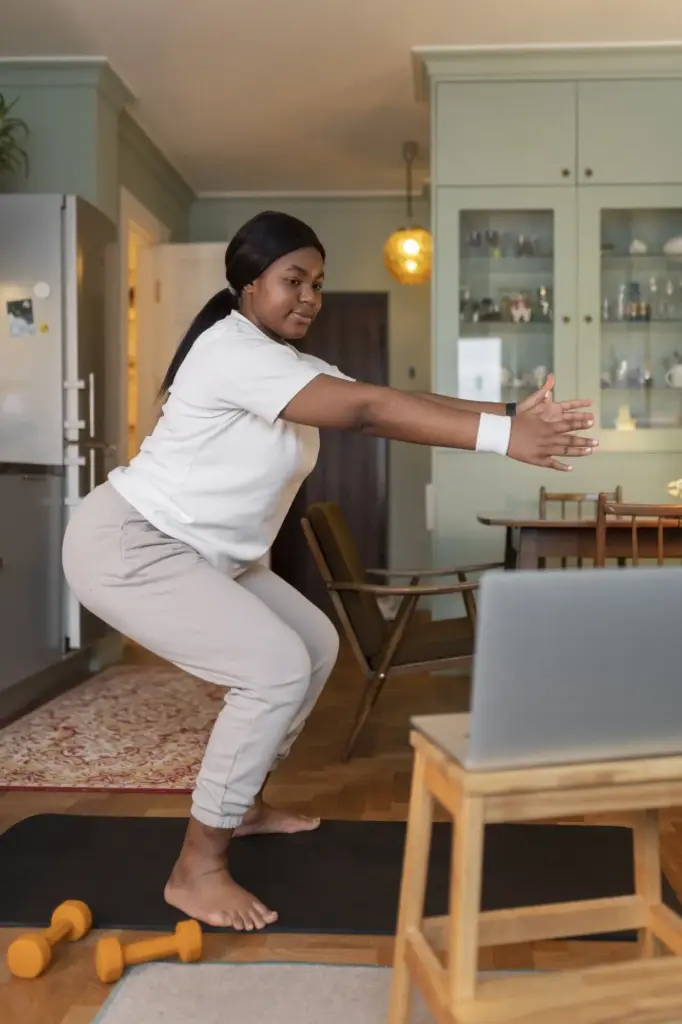
Pause, Breathe, Unwind: Stretching Moments That Calm the Day

Discover how breath-synchronized stretch pauses for stress relief can reset your nervous system in under two minutes. We’ll pair gentle movement with steady exhales, turning everyday interruptions into calming rituals that sharpen focus, ease muscle tightness, and restore perspective. Expect practical cues, compassionate safety notes, and mini-routines you can try at your desk, on the commute, or before sleep. Breathe with us, stretch softly, and feel the day grow quieter, kinder, and clearer. Share your experience in the comments and subscribe for weekly practice prompts.

How Your Body Finds Calm Through Movement and Breath

When a stretch flows with a smooth, lengthened exhale, pressure sensors and muscle receptors quietly nudge your system toward balance. The diaphragm’s descent massages the vagus nerve pathway, slower breathing widens heart-rate variability, and gentle tension meets a softened reflex that invites release instead of fight. You will not force change; you’ll invite it. Over days, these small conversations between ribcage, hips, and breath can lower perceived stress, lift mood, and make attention feel steadier even during noisy hours.

The Exhale Advantage

Elongated exhales signal safety to the body, easing heart rate and giving tight tissues permission to soften. Try bending gently on the breath out, then pausing in stillness before the next inhale. Over several cycles, the nervous system hears a consistent, kind message: we are safe enough to release.

Stretch Reflex, Softened

Move toward the first edge of a stretch, never the deepest. Breathe there, let the muscles feel supported, and imagine space spreading through the fibers. This gradual approach reduces guarding, allowing Golgi tendon organs and fascia to invite release without triggering protective resistance or post-stretch rebound tension.

From Tension to Signal

Treat tightness as information rather than an enemy. Map where the breath travels easily and where it stalls, then aim your next exhale toward the stuck area. Even a subtle directional intention can shift awareness, reduce bracing, and create sustainable ease instead of dramatic, short-lived change.

Start Small: Micro-Pauses You Can Try Anywhere

Short, repeatable pauses become anchors inside hectic days. By linking one slow inhale and a longer exhale to a simple stretch, you refresh posture, circulation, and patience without needing a mat or privacy. These micro-moments are discreet in buses, bright offices, kitchen corners, and doorways, helping stress ebb before it swells.

Desk Reset in Sixty Seconds

Slide forward on your chair, plant both feet, interlace fingers, and press palms away on an exhale as your shoulders broaden. Inhale to soften elbows, exhale to lengthen again. Three to four cycles lift chest, quiet jaw tension, and return you to work feeling awake, centered, and kinder.

Commute-Friendly Shoulder Opening

While standing on the train or waiting at a light, keep one hand on a strap or bag, then gently tip your ear toward the opposite shoulder as you exhale. Inhale to center. Alternate sides for five rounds, releasing neck grip, widening breath, and easing screen-time stiffness without attracting attention.

Rhythms and Ratios: Finding Your Pace

Breath timing steers experience. Many people relax with a gentle 4-count inhale and 6-count exhale; others prefer 5-and-5 to keep things even. Let your stretch move on the out-breath, then hover in quiet. If dizzy, shorten counts, loosen form, and return to natural breathing until steadiness returns.

Coherence Cycle at Work

Try roughly five breaths per minute: inhale for five, exhale for five, sweeping arms outward as you breathe out to clear shoulder congestion. This rhythm often steadies heart-rate variability and sharpens focus for emails, planning, or deep thinking without over-activating effort or exhausting attention.

Box-Breath Meets Side Bend

Inhale for four as you lift one arm, pause for four while tall, exhale for four as you arc gently, pause for four at the edge. Repeat two to three rounds each side. The pauses quiet urgency, and the slow arc distributes breath across tight intercostal spaces.

Even Flow for Busy Days

When you can’t count, use words: inhale thinking welcome, exhale thinking soften, letting the phrase accompany a light twist or shoulder roll. The pairing keeps rhythm intuitive, encourages patience, and reduces mental load when schedules are loud and clocks feel unkindly fast.

What Studies Suggest

Small trials show that paced breathing near six breaths per minute can nudge parasympathetic tone and reduce anxiety scores, while regular stretching may ease musculoskeletal discomfort. Combine them gently, track mood or sleep for two weeks, and notice trends rather than demanding instant, dramatic transformation from a single session.

Common Misunderstandings

These practices are not a cure-all, nor must they be athletic or impressive to help. Slower, subtler movement carried by calm breath often works better than striving. If you feel dizzy, panicky, or numb, stop, ground your feet, breathe naturally, and resume later at a kinder pace.

Safe Boundaries

Stay shy of pain, especially with the spine, knees, and hamstrings. Favor warmth over extremes. Keep eyes open if closed-eye practices invite rumination. Replace holds with gentle sways during pregnancy or dizziness. A compassionate boundary today builds the confidence that keeps you coming back tomorrow and next week.

Stories from Real Days

Moments from ordinary lives tell the difference. A designer used two breath-led shoulder rolls before a pitch and noticed voice steadier, hands warmer. A teacher paused between classes, exhaled into a side bend, and entered the next room softer. Small rituals reframed pressure as presence, again and again.

Build Your Habit

Consistency is kinder than intensity. Link stretches to daily anchors like boiling water, app updates, elevator dings, or calendar alerts. Celebrate tiny wins, not streaks. Invite a friend, track mood in one line, and adjust loads with seasons. Let repetition polish ease until it feels unmistakably yours.

Tiny Triggers that Stick

Choose cues already living in your day: unlocking the phone, washing hands, sitting down to write. Pair each cue with one location-specific stretch and a longer exhale. The brain learns faster when the action is obvious, repeatable, and rewarded with genuine relief, not just checked boxes.

A Ritual You’ll Miss

Design a two-minute sequence you enjoy so much you notice when it’s absent: three breaths, a side bend, a hip hinge, a grateful thought. Pleasure sustains practice better than pressure. When you like it, you’ll do it, even on difficult, crowded, relentlessly scheduled days.

Keep Score, Kindly

Track how you feel before and after with three words, not numbers. Look for steadiness, warmth, or clarity. Celebrate any shift, however small, and forgive missed days. Sustainable stress relief grows from compassion and curiosity, reinforced one breath-guided stretch at a time across ordinary weeks.
Kavipalotari
Privacy Overview

This website uses cookies so that we can provide you with the best user experience possible. Cookie information is stored in your browser and performs functions such as recognising you when you return to our website and helping our team to understand which sections of the website you find most interesting and useful.